Examining the portrayal of Black sexuality in one of Black TV’s most culturally defining series.
By Devonte Whitfield
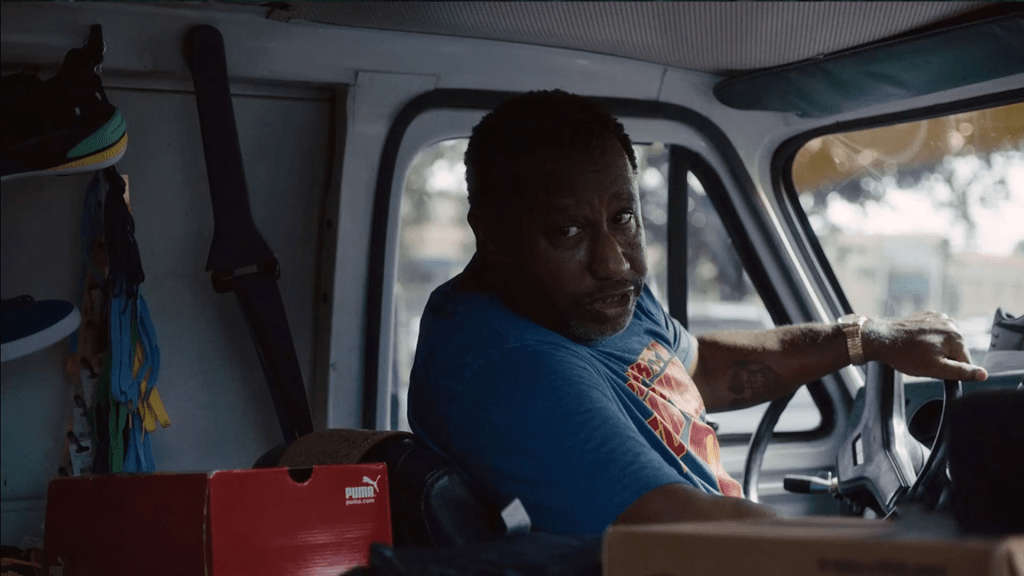
I like sneakers. You like sneakers. But like a lot of Black men, we put an excessive amount of value in them, okay. Is it really worth our dignity?
“Crank Dat Killer” 14:52 – 15:00
Synopsis of the episode.
Alfred’s valiant efforts to escape a ghost of his past as well as an embarrassing era of hip hop in the form of two separate homicidal maniacs is a story worth an article on its own. However, the focus of this article is the B plot where Darius and Earn both go on a quest to find the elusive Nike Miracles which are going for $10,000 online. In their search Darius leads them to a shady store/van operated by the Shoe Man, who fortunately has two pairs in their size. However, instead of charging them for the shoes, his price is to see Darius and Earn kiss.
Earn immediately objects, with the belief that his dignity is not worth a pair of shoes. Darius believes it’s worth it, and tries to convince Earn by saying he knows Earn isn’t gay. Earn fights against Darius, saying that it’s about the principle. Eventually they go through with it, walking away with the shoes. At the end of the episode we can see Earns regret towards what he had to do to get the shoes.
Parallels
Black sexuality isn’t a topic foreign to the show Atlanta, which is a given considering the city it takes its name from is known for it’s polarizing sex work culture as well as it’s large Black LGBTQ+ community. In fact, a couple episodes after the duo’s encounter with the Shoe Man, a documentarian examines masculinity in 90s media.
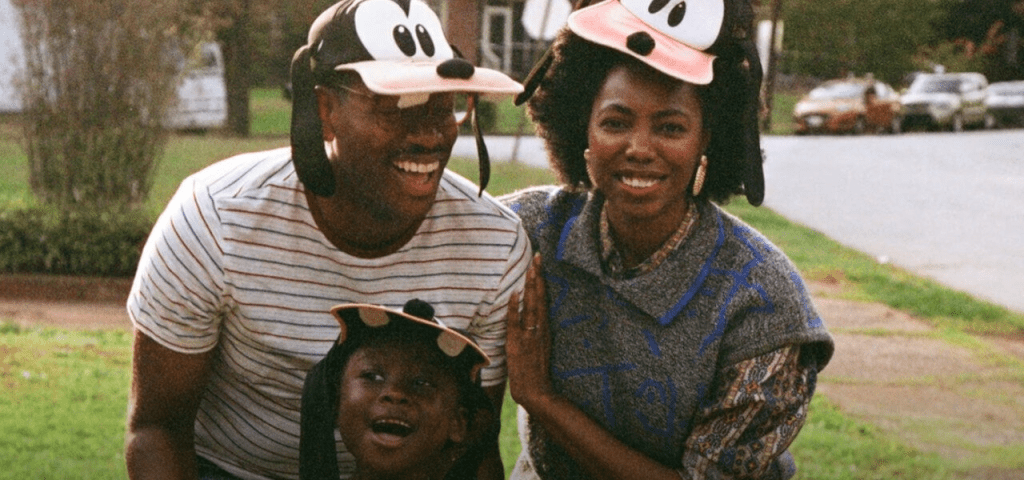
When A Goofy Movie came out, Black masculinity in the media was in a really weird place.
On one hand, you’ve got men doing kind of “faux queer” comedy, and on the other end of the spectrum you’ve got these hypermasculine portrayals.
“The Goof Who Sat by the Door” 17:07 – 17:33
The dynamic between Darius, Earn, and the Shoe Man seems to be a metaphor for how Black masculinity is contorted in the media for entertainment. Faux Queer characters like Martin’s Big Momma or the Wayans brothers White Chicks have become a common motif in Black comedy, which has also been problematic for honest Black Queer portrayals.
Identity
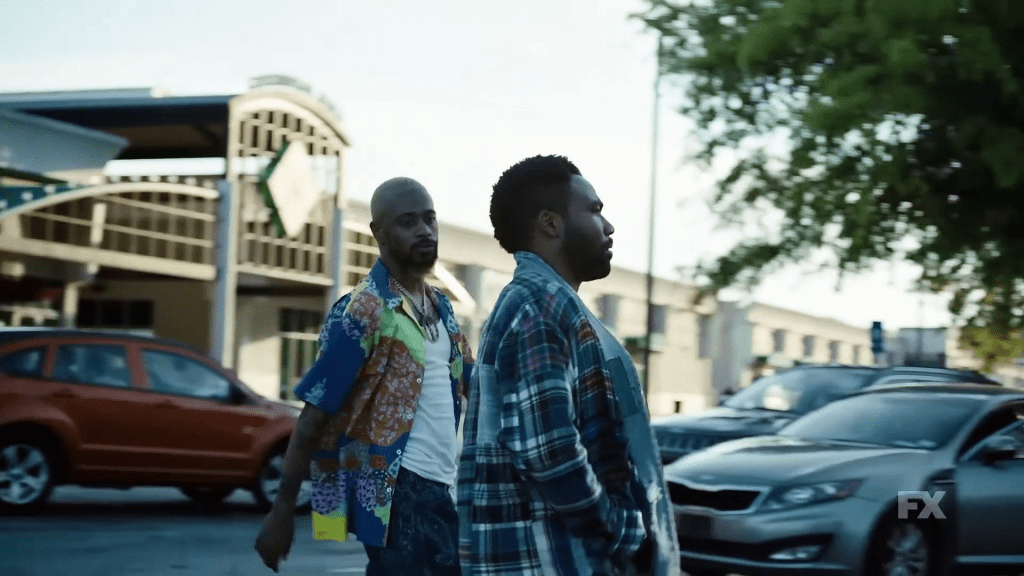
Earns problem isn’t that kissing a man makes him gay, it’s simply that he’s not willing to compromise his own sexuality for something as trivial as shoes. As exaggerated as the ideas of Hollywood rituals and hazing are by the Black community in particular, there is a noticeably large amount of faux queer roles taken on by Black men, and it’s not unreasonable to question why that is. The subversion of the hypermasculine stereotype of burly men by putting them in a dress has been used for laughs for decades, and at this point has become its own staple in comedy. However it becomes more problematic when it’s Black men used for laughs.
Consider how the subjugation of Black people and compromission of Black masculinity for centuries has caused issues with accepting different gender identities, leading to high levels of Homophobia in the Black community. The problems with sexual identity in the Black community are often overlooked, but in the context of this history portrayals like Tyler Perry’s Madea become too rooted in reality to be taken for jokes.
The Error of Martin Lawrence
The point of this article isn’t to argue against Black Queer representation, if anything it’s to support it. But the problem with the contortion of black sexuality we see so often in the media is that it undermines the real struggle with sexuality many in the community face today. Young Black people are often ostracized by their community for expressing identities that don’t align with the archaic beliefs so deeply engrained into their culture.
Many Black people don’t even realize their homophobic behavior is another consequence of their subjugation in which their ability to express their identity was taken away. It’s important that we have honest representation of Black people with different identities to break through these generational barriers. And the last thing we need is another mockery of how centuries of oppression have confused Black people about who they are.
Resources
“Crank Dat Killer.” Atlanta, created by Donald Glover, season 4, episode 6, Gilga, 343 Incorporated, MGMT. Entertainment, FXP, 2022
“The Goof Who Sat by the Door.” Atlanta, created by Donald Glover, season 4, episode 8, Gilga, 343 Incorporated, MGMT. Entertainment, FXP, 2022
 Carried By 6
Leave a comment